
Laser Skin Resurfacing
Laser Treatments for Sun Damage in Naples, Florida
- What Is Laser Skin Resurfacing?
- What Can Laser Skin Resurfacing Treat?
- What Is Laser Skin Resurfacing Like?
- What Happens After Laser Skin Resurfacing?
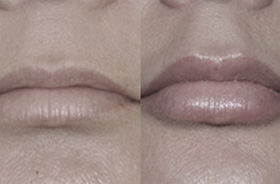
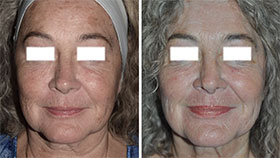
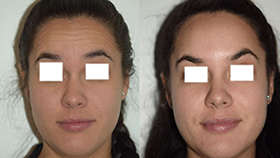
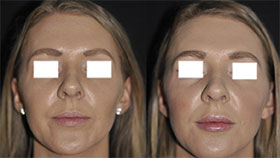
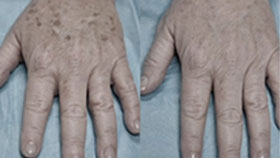
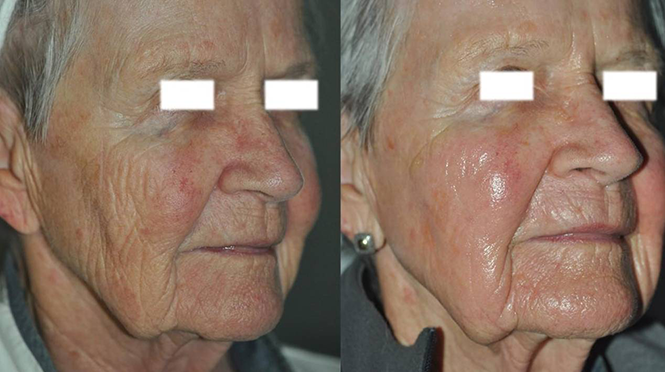
Fractional lasers can be an effective part of an anti-aging treatment plan, but more advanced cosmetic sun damage may require a more intensive approach. Laser skin resurfacing in Florida can address visible effects of long-term ultraviolet (UV) exposure while helping improve the overall texture, tone, and appearance of facial skin.
For 2026 and looking ahead to 2027 and beyond, Skin Wellness Physicians in Naples continues to offer advanced laser treatments for women and men seeking meaningful skin rejuvenation. The goal is not simply to address today's sun damage, but to support healthier-looking, more refreshed skin well into the future.

Contact Skin Wellness Physicians to learn about the benefits of laser skin resurfacing for patients from Naples and Marco Island, Florida, to improve sun damage, skin texture, and signs of aging. Arrange a consultation by sending a message online or calling (239) 732-0044.

Laser Skin Resurfacing at a Glance
| Treatment | Laser skin resurfacing |
|---|---|
| Treatment type | Energy-based treatment |
| Technology | Sciton Contour Tunable Resurfacing Laser (TRL), UltraClear, HALO®, Moxi® |
| Primary treatment area | Face |
| What it treats | Sun damage, fine lines, wrinkles, uneven skin tone and texture, acne scars, age spots, enlarged oil glands, and other skin irregularities |
| Treatment intensity | Customized based on skin concerns, desired results, and treatment plan |
| Anesthesia | Anesthetic is used to minimize discomfort during treatment |
| Downtime | Healing time varies based on treatment intensity; recovery may take up to approximately three weeks or as little as a few days |
| Results | Smoother, fresher-looking skin with improvements in tone and texture |
| Providers | Board-certified dermatologists |
| Locations | Naples, Florida |
What Is Laser Skin Resurfacing?
Many visible signs of sun damage and aging affect the outermost layers of the skin, including uneven texture, discoloration, fine lines, and other surface imperfections. Laser skin resurfacing addresses these concerns so healthier, fresher-looking skin can emerge.
At Skin Wellness Physicians, our dermatologists use Sciton’s Contour Tunable Resurfacing Laser (TRL) and UltraClear for ablative laser skin resurfacing. These treatments precisely remove the epidermis, the skin’s outermost layer, to address cells affected by sun damage and aging. The controlled resurfacing process also stimulates the skin’s natural healing response, including the production of new collagen and skin cells.
During treatment, the laser delivers concentrated energy to the targeted skin. The energy creates controlled heat that removes the designated layer of skin and triggers a regenerative response in the underlying tissue. As the skin heals, new skin cells develop and collagen production increases, helping improve overall skin tone, texture, and the appearance of sun damage and fine lines.
Fractional laser treatment sessions with Moxi® can be used for anti-aging treatments that are less intense than typical laser skin resurfacing, making them more appropriate for minimal to mild sun damage—or even "prejuvenation." This involves creating microscopic laser channels in small areas of the skin to stimulate cell turnover and collagen production. We also provide HALO®, a hybrid fractional laser resurfacing treatment that combines ablative and non-ablative wavelengths to improve skin texture, tone, and visible signs of aging.
Laser skin resurfacing can be appropriate for many skin tones, but the risk of temporary or prolonged hyperpigmentation can vary based on skin type, treatment intensity, and individual factors. During a consultation, our dermatology team can evaluate your skin and discuss potential risks, expected results, and the most appropriate treatment approach.
What Can Laser Skin Resurfacing Treat?
Laser skin resurfacing can improve a range of visible signs of aging and sun damage, including:
- Fine lines and wrinkles
- Sun damage and age spots
- Uneven skin tone and texture
- Mild to moderate acne scars
- Enlarged oil glands
- Skin laxity and loss of firmness
- Other surface irregularities
As the skin ages, it naturally produces less collagen, elastin, and other substances that help maintain its structure and firmness. Loss of facial volume can also contribute to skin laxity. Long-term ultraviolet (UV) exposure can accelerate collagen breakdown and contribute to premature wrinkles, discoloration, and uneven skin texture.
Laser skin resurfacing can target these concerns more deeply than many topical skincare products. By precisely treating damaged skin and stimulating the skin's natural healing response, laser resurfacing can improve both skin surface quality and overall appearance.
Different laser technologies and treatment settings are designed to address different skin concerns and levels of damage.
Ablative and non-ablative laser treatments address different skin concerns, from surface irregularities to deeper signs of aging. The right approach depends on the condition being treated, the desired results, and the amount of downtime a patient can accommodate.
Ablative laser resurfacing: Ablative laser resurfacing treatments such as Erbium remove controlled layers of damaged skin while stimulating collagen production. They may be recommended for more pronounced wrinkles, sun damage, acne scars, and uneven skin texture. More intensive ablative treatments typically require longer recovery periods.
Non-ablative laser resurfacing: These treatments target underlying skin tissue to stimulate collagen production without removing the outer layer of skin. They may help improve mild to moderate signs of aging, uneven texture, and other skin concerns, often with less downtime than ablative procedures.
Meet our Dermatologists

At Skin Wellness Physicians, our dermatologists are board certified and thoroughly experienced in a range of medical and cosmetic treatments.





How Can You Prepare for Laser Skin Resurfacing?
If you tend to have breakouts of cold sores and fever blisters around the mouth, it's important to discuss this condition—as well as any other chronic conditions—when you go over your complete medical history during the consultation. Laser skin resurfacing can be a powerfully effective treatment for many people, but those who have skin that is prone to scars, are currently pregnant or breastfeeding, or have a weak immune system may be encouraged to consider other options.
Once you've consulted with a dermatologist and determined that you're a suitable candidate for laser skin resurfacing, you may be asked to avoid certain medications and supplements—in consultation with a primary care physician—before the procedure, as well as to quit smoking several weeks in advance to reduce the risk of complications. Certain supplements can sometimes cause the skin to have a bad reaction to laser skin resurfacing.
Patients should also avoid more intense face procedures like deep chemical peels and microdermabrasion for at least a month before laser skin resurfacing, as well as refrain from intense sun exposure in the days before a treatment. Tanning can make laser skin resurfacing less effective and cause more discomfort, since the darker-pigmented cells will absorb more of the laser energy as heat.
What Is Laser Skin Resurfacing Like?
The intensity of laser skin resurfacing and other factors will determine how long a session takes, as well as what sensations will be experienced during the laser skin resurfacing appointment. Some people describe laser skin resurfacing as being similar to the stinging sensation of a rubber band snapping, but an individual’s experience depends on his or her pain tolerance and the area being targeted.
An anesthetic will be used to minimize sensation in the treatment area during the session. Talk to the dermatologist during your initial consultation to find out what specifically can be done to maximize comfort throughout the laser skin resurfacing process.
What Happens After Laser Skin Resurfacing?
Laser skin resurfacing is performed as an outpatient procedure, so patients can return home the same day. Because ablative resurfacing removes the outer layer of skin, the treated area needs time to heal. Redness, sensitivity, swelling, peeling, and temporary changes in skin texture are expected during recovery.
Laser Skin Resurfacing Recovery Timeline
Immediately after treatment
- The skin may appear red and feel sensitive or warm.
- Swelling and discomfort are common.
- Cold compresses, keeping the head elevated, and medications recommended by the dermatology team may help manage discomfort.
- Follow all post-treatment instructions for cleansing and moisturizing the skin.
First several days
- The treated skin remains sensitive and requires careful protection.
- Avoid direct sun exposure and use the recommended facial sunscreen once your provider advises it is appropriate.
- Avoid makeup and skincare products that may irritate healing skin until cleared by the treatment team.
- Keep the skin clean and avoid swimming pools, strenuous workouts, and other activities that may increase the risk of irritation or infection.
Around one week
- The treated skin may become dry and begin peeling.
- As the damaged outer skin sheds, fresher, smoother-looking skin becomes visible underneath.
- The timing of peeling and other visible changes varies based on the treatment depth and individual healing response.
Up to three weeks
- Many patients experience substantial healing within approximately three weeks, although the exact recovery period varies.
- Makeup and regular skincare can typically be resumed gradually once the skin has sufficiently healed and the dermatology team approves.
When Will Skin Be Fully Recovered?
Plan for up to three weeks of initial recovery after laser skin resurfacing, with the exact timeline depending on treatment intensity, individual healing, and other factors. Redness and other temporary changes may persist beyond this period as the skin continues to remodel.
Patients should follow their personalized aftercare instructions rather than relying solely on a standard timeline. The dermatology team can provide a more specific recovery estimate based on the laser used, treatment depth, skin type, and treatment goals.
Protect Healing Skin
Sun protection is especially important after laser skin resurfacing. Newly treated skin is more sensitive to ultraviolet (UV) exposure, which can contribute to pigmentation changes and affect the appearance of results.
Once approved by the treatment team, use a broad-spectrum facial sunscreen with an SPF of 30 or higher and minimize direct sun exposure. Keeping the skin well moisturized and following the recommended skincare routine can also support the healing process.
Laser Skin Resurfacing FAQs
Laser skin resurfacing is a treatment that removes the outermost layer of damaged skin to reveal fresher skin underneath. The treatment also stimulates collagen production and new skin cell growth, helping improve overall skin tone and texture.
Laser skin resurfacing can improve the appearance of sun damage, fine lines and wrinkles, uneven skin tone and texture, age spots, enlarged oil glands, mild to moderate acne scars, and other skin irregularities. It can also help improve the appearance of loose skin associated with age-related collagen loss.
The dermatologists at Skin Wellness Physicians use Sciton's Contour Tunable Resurfacing Laser (TRL) and UltraClear for laser skin resurfacing, along with HALO® and Moxi®. The technology allows the treatment to be customized based on the patient's skin concerns and desired level of resurfacing.
Patients may experience sensations such as stinging during treatment, although individual experiences vary. An anesthetic is used to minimize discomfort in the treatment area. Patients can discuss their concerns about comfort with their dermatologist during the consultation.
Treatment time varies depending on the intensity of the resurfacing treatment and other factors, including the area being treated. The dermatologist can provide more specific information during the consultation.
Laser skin resurfacing requires some downtime while the skin heals. Redness, sensitivity, and swelling are common during the initial recovery period. The skin may begin to dry and peel at about one week, with complete recovery taking up to approximately three weeks depending on the individual and treatment intensity.
Makeup should be avoided initially because cosmetics can irritate sensitive, healing skin. Once the skin has healed, patients can return to wearing makeup. Oil-free products may be preferable during the early stages of recovery.
Post-treatment skin should be kept clean, moisturized, and protected from ultraviolet exposure. Patients should avoid activities and environments that could increase the risk of infection while the skin is healing, including swimming pools and gym workouts. Cold compresses, keeping the head elevated, and pain medication may also help manage discomfort.
Patients should avoid intense sun exposure while the skin is healing. Laser-treated skin is particularly sensitive to ultraviolet radiation, and new sun damage can contribute to pigmentation irregularities and other signs of aging. A broad-spectrum facial sunscreen with SPF 30 or higher is recommended for protecting the skin.
Laser skin resurfacing is not suitable for every skin tone, as some laser technologies carry a higher risk of pigmentation changes in patients with darker skin. Certain lasers and treatment settings may be safer and more appropriate for deeper skin tones. A consultation with a qualified provider is essential to evaluate skin type, discuss potential risks, and determine the most appropriate treatment approach.
Some patients may be encouraged to consider other treatment options. Factors that may affect candidacy include a tendency to develop scars, pregnancy or breastfeeding, a weakened immune system, certain chronic conditions, and a history of cold sores or fever blisters around the mouth. A complete medical history and consultation are important before treatment.
Preparation depends on the individual treatment plan. Patients may be asked to avoid certain medications or supplements in consultation with their primary care physician and to stop smoking several weeks before treatment. More intense facial procedures, including deep chemical peels and microdermabrasion, should be avoided for at least a month beforehand. Patients should also avoid intense sun exposure before treatment.
Yes. Laser skin resurfacing can provide a more intensive approach for facial skin affected by advanced cosmetic sun damage. It can improve several visible effects of sun damage, including uneven tone, age spots, fine lines, wrinkles, and certain skin irregularities.
Yes. Skin Wellness Physicians offers several treatments that address different skin concerns, including IPL (intense pulsed light) for sunspots and microneedling for collagen stimulation. BOTOX® can address dynamic wrinkles, while dermal fillers can restore volume and improve static wrinkles.
Skin Wellness Physicians offers laser skin resurfacing for patients in Naples, Florida. Patients can contact us to arrange a consultation in Naples or Marco Island and discuss whether laser skin resurfacing is appropriate for their skin concerns.
Other Skin Treatments Available at Skin Wellness Physicians
Skin Wellness Physicians offers other cosmetic treatments in addition to laser skin resurfacing for enhancing skin quality, as well as injectables for minimizing wrinkles or volumizing and lifting contours. These include IPL (intense pulsed light) to fade sun spots, microneedling to stimulate collagen production with controlled micro-injuries that kickstart the skin's healing process, BOTOX® to smooth out dynamic wrinkles by temporarily relaxing facial muscles, dermal fillers to address static wrinkles by adding volume to replace depleted collagen, and more.
To learn more about laser skin resurfacing in Naples, FL at Skin Wellness Physicians, call (239) 732-0044 or send a message online to schedule a consultation.