Rosacea
Care for Persistent Facial Redness in Marco Island and Naples, FL
What Are the Different Types of Rosacea?
What is the Most Effective Treatment for Rosacea?
Rosacea is one of the most common skin conditions, affecting an estimated 16 million+ Americans. Patients in Naples and Marco Island, Florida, with rosacea often report episodes of facial flushing triggered by specific environmental or lifestyle factors. Another common sign includes acne-like bumps that typically appear on and around the nose and central face in adults.
Although this is a long-term condition with no definitive cure, a variety of treatments can help reduce flare-ups, improve skin appearance, and manage symptoms over time. Ongoing care and trigger avoidance strategies can also help minimize future episodes and support clearer, more comfortable skin.

Reach out to Skin Wellness Physicians in Naples and Marco Island, Florida for personalized rosacea treatment. Request a consultation by sending a message online or calling (239) 732-0044.
Rosacea Details
Rosacea commonly presents with a combination of recognizable symptoms, including recurring flushing or blushing concentrated in the central face, along with small, raised bumps that may resemble acne breakouts. In addition to these typical signs, the condition can also lead to other visible and sensory skin changes, such as increased sensitivity, persistent redness, and the appearance of visible blood vessels. Symptoms often follow a fluctuating pattern, with flare-ups lasting for weeks or even months before gradually improving, only to return again later in response to various triggers.
What Are the Different Types of Rosacea?
Persistent facial redness may develop over time, often presenting as a constant or recurring blush across the face. This can be accompanied by visible, dilated blood vessels known as telangiectasias (commonly referred to as spider veins), which appear thin, thread-like, and sometimes slightly raised. These vessels often first appear on and around the nose before gradually spreading to the cheeks, chin, and forehead between the brows.
In many cases, the skin may also feel sensitive, with symptoms such as burning, stinging, or tenderness. Some individuals may also experience eye-related irritation, including dryness or discomfort. This presentation is commonly associated with erythematotelangiectatic rosacea.
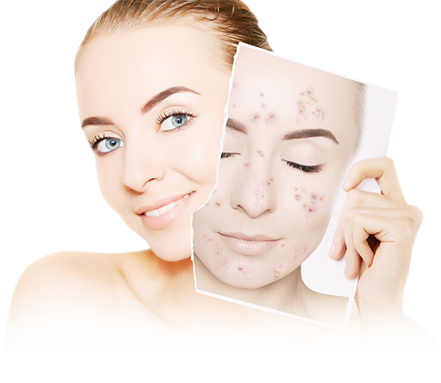
Another form may involve acne-like breakouts, where small red bumps or pustules develop primarily on the cheeks and nose. This is often referred to as papulopustular rosacea, or acne-like rosacea.
In more advanced cases, changes in skin texture can occur, particularly affecting the nose. This may lead to thickening of the skin and a bulbous appearance, a condition known as rhinophyma. While previously linked to alcohol use, it is now understood to result from long-term progression of rosacea rather than alcohol consumption.
When symptoms extend to the eyes, including irritation, dryness, or inflammation, this is referred to as ocular rosacea.
What Causes Rosacea?
The exact cause of rosacea is not fully understood, but it is believed to be linked to a combination of genetic, immune system, environmental, and vascular factors. Additional possible contributors include sensitivity to the skin mite Demodex folliculorum and an association with the gut bacteria H. pylori.
Several risk factors may increase the likelihood of developing this condition, including:
- Skin that burns easily in the sun
- Age between 30 and 50
- Female gender
- Family history of similar skin conditions
- Smoking
- History of severe acne
- Fair skin, light eyes, and light hair
Identifying and avoiding personal triggers can play an important role in managing symptoms. Common triggers include alcohol, spicy foods, cheese, caffeine, hot beverages, intense exercise, extreme temperatures, wind, stress or strong emotions, hot baths, and certain skincare or cosmetic products.
While there is currently no cure, symptoms can often be effectively managed with consistent care and lifestyle adjustments. Gentle skincare is recommended, including the use of mild, non-irritating cleansers and oil-free, water-based products.
It is also important to avoid products that contain alcohol, menthol, witch hazel, or exfoliating agents, as these can worsen irritation. Sun protection is essential—daily use of broad-spectrum SPF 30+ sunscreen and protective clothing is strongly recommended. Regular moisturizing can also help support the skin barrier, particularly in cold, dry, or windy conditions.
Rosacea FAQs
Daily management typically focuses on gentle skincare, consistent sun protection, and avoiding known triggers. Using mild, fragrance-free cleansers and moisturizing regularly can help support the skin barrier and reduce irritation over time.
Yes, certain products can aggravate skin sensitivity and redness. Ingredients such as alcohol, menthol, witch hazel, and harsh exfoliants may increase irritation. It is best to choose gentle, non-irritating formulations designed for sensitive skin.
Sun exposure can be a common aggravating factor. Wearing a broad-spectrum SPF 30+ sunscreen daily, along with hats or protective clothing, can help minimize flare-ups and support overall skin health.
Treatment options may include topical therapies, prescription medications, and in-office procedures such as laser or light-based treatments. A personalized treatment plan is typically recommended based on individual skin needs.
Results vary depending on the severity of the condition and the type of treatment used. Some patients may notice gradual improvement within a few weeks, while others may require ongoing care for best results.
Yes, lifestyle modifications can play an important role. Reducing exposure to triggers such as extreme temperatures, stress, and certain foods or beverages may help minimize flare-ups and support long-term skin improvement.
It is recommended to seek professional evaluation if facial redness is persistent, worsening, or affecting quality of life. A specialist can help determine appropriate treatment options and develop a customized care plan.
What is the Most Effective Treatment for Rosacea?
A Skin Wellness Physicians dermatologist can determine whether you have rosacea or another condition by physically examining your skin. Inflammatory acne from this condition, a red face, and rhinophyma can cause significant psychological, social, and occupational problems if left untreated.
Fortunately, there are several advanced therapeutic options for intervention now in 2026, from prescription topical medications for acne lesions and/or redness to oral medications that can significantly manage the pustules. Effective medical dermatology treatments help to reduce the redness, swelling, and skin eruptions.
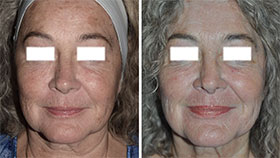
The Skin Wellness Physicians team will work with you to develop a treatment plan, which will likely involve a combination of antibiotic creams and oral antibiotics. Laser and light therapies may be beneficial for severe symptoms because they make the dilated blood vessels less noticeable.
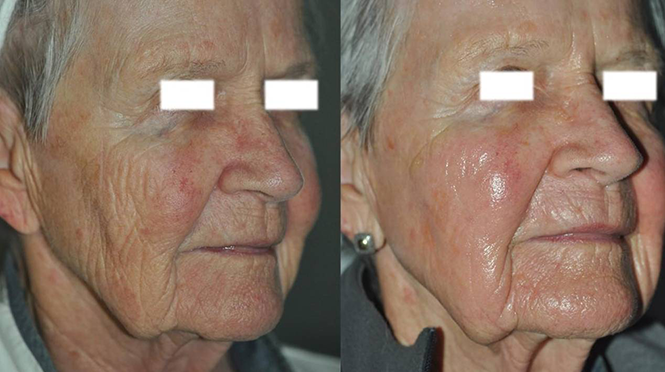
Office-based treatments, such as laser treatment with pulsed-dye laser V-Beam Perfecta®, can reduce redness and improve the appearance of blood vessels associated with this condition. Multiple treatments are required, which require little or no recovery time.
Medical-grade cosmeceutical products to improve symptoms (including a SkinCeuticals® regimen and Resveratrol) are also available in the Skin Wellness Physicians office.
Expert Dermatologists Focused on Evidence-Based Skin Care
At Skin Wellness Physicians, our care is guided by advanced training that includes not just residency-level dermatology expertise, but also two additional fellowships in cosmetic dermatology. This specialized background allows us to offer conservative, safe, and effective treatment options that reflect the latest advances in both medical and aesthetic skin care.
We take a thoughtful, patient-centered approach to every visit, with a focus on listening carefully to your concerns and understanding your individual goals. Because every patient in Naples has a unique vision for how they want to look and feel, we prioritize personalized treatment plans designed to enhance natural harmony and balance rather than overcorrection.
Our physicians are committed to providing gentle, precise care grounded in extensive clinical experience and ongoing education. We treat a wide range of dermatologic conditions, including acne, rosacea, psoriasis, skin cancer, scarring, sun-related skin damage, and pediatric skin concerns, using the most advanced, evidence-based approaches available.
Comprehensive Dermatology Care Beyond Rosacea
At Skin Wellness Physicians, our care extends well beyond the treatment of facial redness concerns. We provide comprehensive dermatologic services for a wide range of skin conditions, focusing on both medical accuracy and long-term skin health.
Our team diagnoses and treats skin cancer, including early detection and management of suspicious lesions, as well as acne, helping patients of all ages achieve clearer, healthier skin through personalized treatment plans. We also manage chronic skin conditions such as psoriasis, offering therapies designed to reduce flare-ups, improve comfort, and support overall skin function.
In addition, we evaluate and treat a variety of birthmarks and pigmented lesions, helping patients address both cosmetic and medical concerns. From routine skin checks to complex dermatologic conditions, our goal is to provide complete, patient-centered care tailored to individual needs.
Call (239) 732-0044 or send a message online to arrange a consultation to discuss rosacea in Naples and Marco Island, FL at Skin Wellness Physicians.