
Ivermectin in Dermatology: Evidence and Controversy
Ivermectin, a macrocyclic lactone developed as a veterinary antiparasitic, is now a staple of dermatologic practice in Florida. It paralyzes and kills invertebrate parasites by binding glutamate-gated chloride channels, and it also appears to have anti-inflammatory effects on human skin.
Established uses
Oral ivermectin is a first-line treatment for scabies, usually given as two doses (200 µg/kg) one to two weeks apart because it does not reliably kill eggs. Trials and meta-analyses show efficacy comparable to topical permethrin with better adherence, making it favored for institutional outbreaks and crusted scabies. It is also used for head lice, cutaneous larva migrans, and strongyloidiasis.
Rosacea
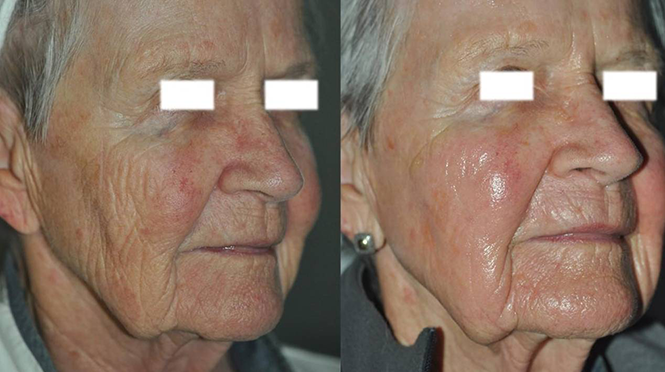
Topical ivermectin 1% cream is approved for papulopustular rosacea. It targets Demodex mites, often elevated in affected skin, and may lower inflammatory cytokines. Phase 3 trials showed greater lesion reduction than vehicle, and head-to-head studies found it at least as effective as metronidazole 0.75%. Side effects are mostly mild burning or irritation.
Controversies
Skin cancer
No clinical evidence shows that ivermectin treats or prevents skin cancer. Interest stems from laboratory studies in which it reduced melanoma cell proliferation and induced cell death. However, effective concentrations often exceed those achievable in human tissue, and animal results frequently fail to translate. No randomized trial has tested it for melanoma, basal cell, or squamous cell carcinoma. Online claims promoting it as a cancer cure are unsupported and dangerous if they delay proven care such as surgery, radiation, or immunotherapy.
Misuse may lead to poison-control calls, including toxicity from veterinary products. Within dermatology, debates are narrower: emerging scabies treatment failures and possible resistance, and the relative role of anti-Demodex versus anti-inflammatory effects in rosacea.
Conclusion
Ivermectin is valuable and safe at approved doses for scabies and rosacea. Its anticancer potential remains a laboratory hypothesis. Future research should monitor resistance, clarify mechanisms, and test preclinical findings in controlled human trials.
This article is for general information and isn’t medical advice.
For more advice about ivermectin at Florida’s Skin Wellness Physicians, call us at (239) 732-0044 or contact us online to schedule a consultation.